

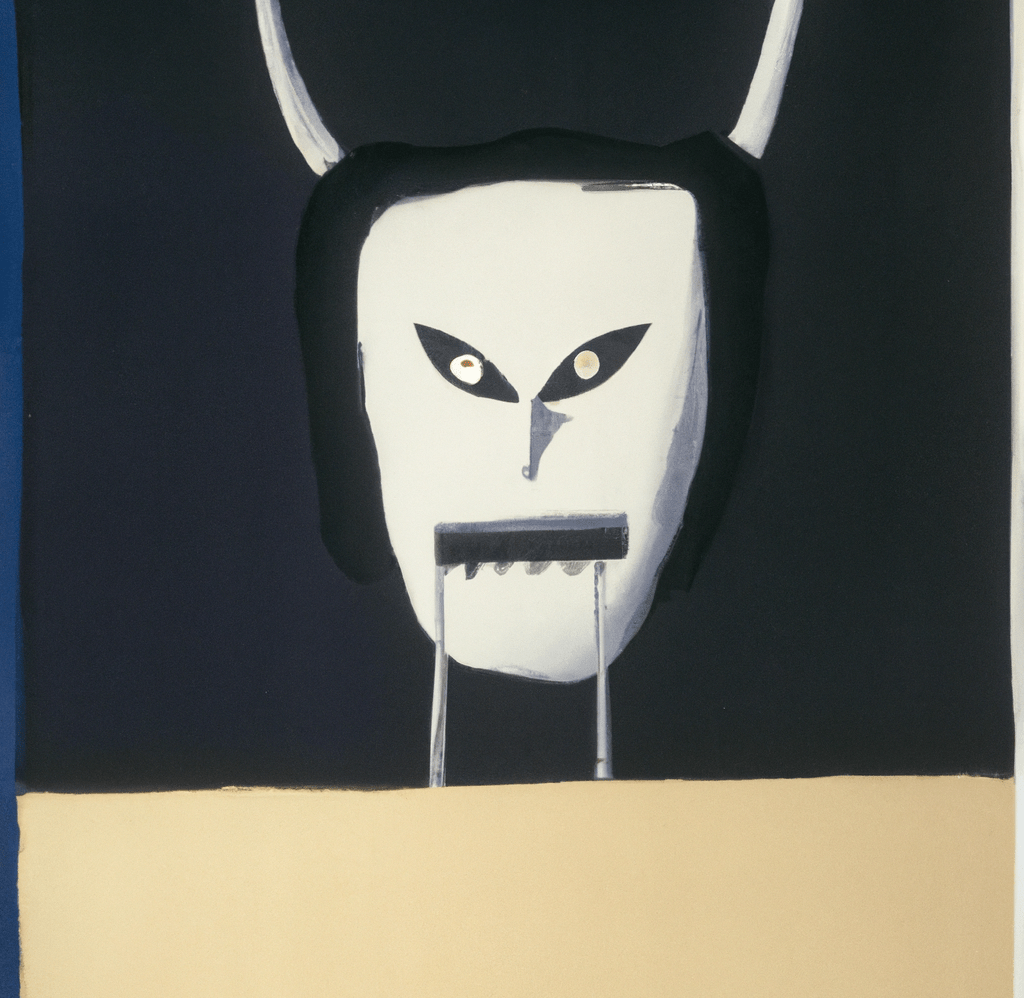
“Fight Club” is a novel by Chuck Palahniuk that explores themes like masculinity, identity, rebellion, and consumerism. The story follows an unnamed narrator who is tired of his boring life. He meets Tyler Durden, a mysterious soap salesman, and together they start a secret fight club as a way to let out their frustrations and feel more alive.
Symbolism is an important part of the story:
• Fight Club: The fight club represents a rebellion against society’s rules and expectations. It’s a way for the characters to release their pent-up emotions and reject the materialistic culture that dominates their lives.
• Marla Singer: Marla disrupts the narrator’s routine and challenges his control. She symbolizes chaos and unpredictability, making the narrator question his own identity.
• Split Personality: The narrator and Tyler Durden represent the narrator’s internal struggle. Tyler is everything the narrator wishes he could be, so their interactions show the battle between conforming to society’s norms and embracing a more rebellious and authentic self.
• Consumerism: Consumerism is a big theme in the book, symbolizing the emptiness and dissatisfaction of modern life. The characters rebel against consumerism by sabotaging corporations and rejecting material possessions.
• Project Mayhem: Project Mayhem is an underground movement led by Tyler Durden that aims to destroy societal structures. It represents a radical rejection of societal norms and the desire to create chaos and change.
Overall, “Fight Club” uses symbolism to explore the disillusionment many people feel in the face of societal expectations. It encourages readers to question their own identities, rebel against consumerism, and seek personal freedom and authenticity.
 Tarek D - Soccer, Life, Art