

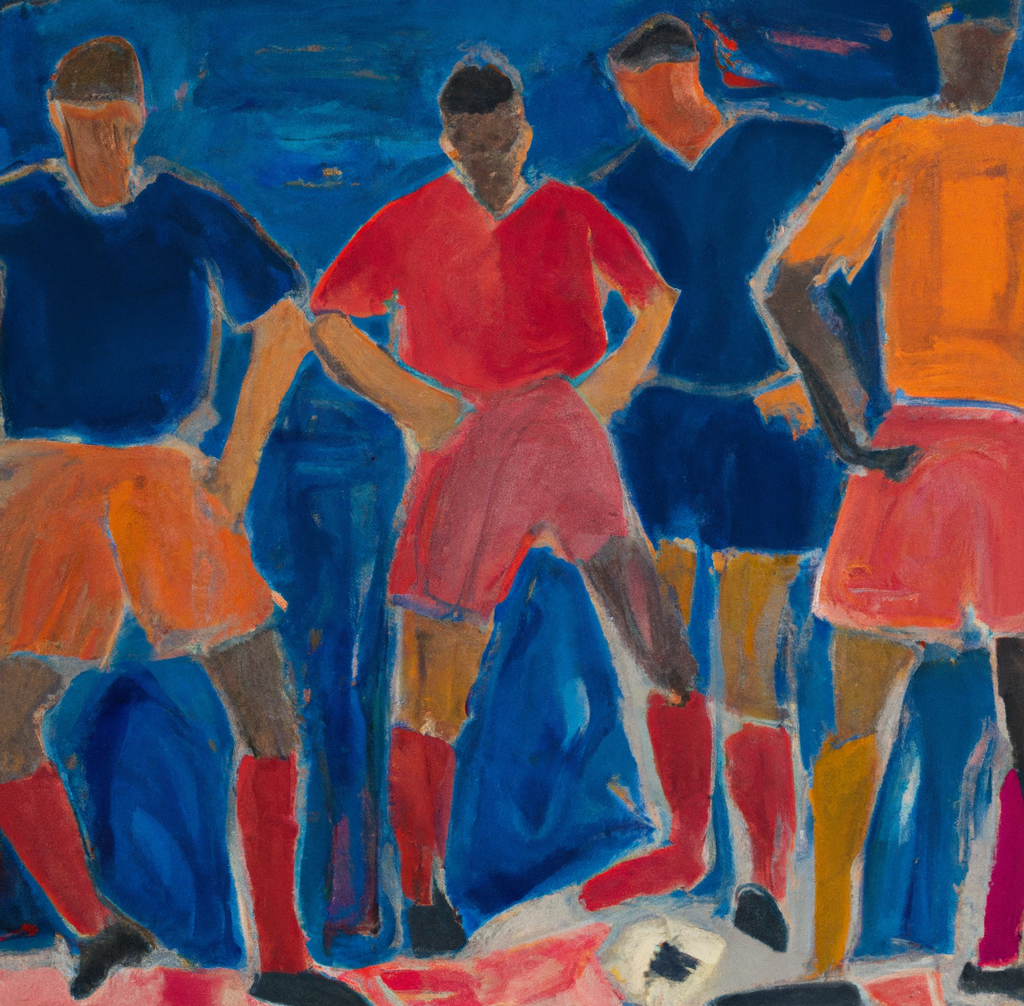
Soccer, the world’s most popular sport, captivates millions of players and fans alike with its fast-paced action and skillful maneuvers. However, the physically demanding nature of the game also poses a risk of injuries. In this article, we will explore the critical intersection of soccer and sports medicine, delving into effective strategies for injury prevention and the latest advancements in recovery techniques.
I. Common Soccer Injuries:
a. Sprains and Strains:
Soccer players often face the risk of sprained ligaments and strained muscles due to the constant change in direction, sudden stops, and explosive movements involved in the game.
b. Concussions:
Head injuries, especially concussions, can occur during collisions or aerial duels. Proper diagnosis and management are crucial to ensure the long-term health of players.
c. Overuse Injuries:
The repetitive nature of certain soccer movements, such as running and kicking, can lead to overuse injuries like stress fractures or tendonitis.
II. Injury Prevention Strategies:
a. Warm-Up and Cool Down:
Implementing a thorough warm-up routine before training or a match is essential for preparing the body for the physical demands of soccer. Additionally, a proper cool-down helps in preventing muscle stiffness and soreness.
b. Strength and Conditioning:
Building strength and enhancing overall conditioning can significantly reduce the risk of injuries. Targeted exercises that focus on key muscle groups used in soccer movements are integral to a player’s physical development.
c. Technical Training:
Emphasizing proper techniques in passing, shooting, and tackling not only enhances a player’s skill level but also reduces the likelihood of injuries caused by incorrect movements.
III. Advances in Sports Medicine:
a. Video Analysis:
Technological advancements, such as video analysis, play a pivotal role in identifying biomechanical issues and irregularities in a player’s movements. This enables sports medicine professionals to offer personalized corrective strategies.
b. Regenerative Therapies:
Platelet-rich plasma (PRP) and stem cell therapies have gained popularity in treating soccer-related injuries. These regenerative approaches accelerate the healing process and promote tissue repair.
c. Wearable Technology:
From GPS trackers to smart clothing, wearable technology provides valuable data on a player’s physical condition during training and matches. This data can guide sports medicine professionals in optimizing training programs and preventing overexertion.
IV. Recovery Techniques:
a. Rest and Active Recovery:
Adequate rest is paramount for recovery, but active recovery techniques, such as light exercises and massage, can also facilitate the healing process and prevent stiffness.
b. Physical Therapy:
In cases of more severe injuries, structured physical therapy programs aid in rehabilitation, gradually reintroducing players to physical activity while minimizing the risk of re-injury.
c. Mental Health Support:
Acknowledging the psychological impact of injuries is essential. Providing players with mental health support helps them cope with the challenges of rehabilitation and return to play with confidence.
Soccer and sports medicine are inextricably linked, with injury prevention and recovery playing pivotal roles in a player’s career longevity and success. By incorporating the latest advancements in sports science and medicine, soccer enthusiasts can enjoy the beautiful game while minimizing the risk of injuries and ensuring a prompt and effective recovery process.
 Tarek D - Soccer, Life, Art