

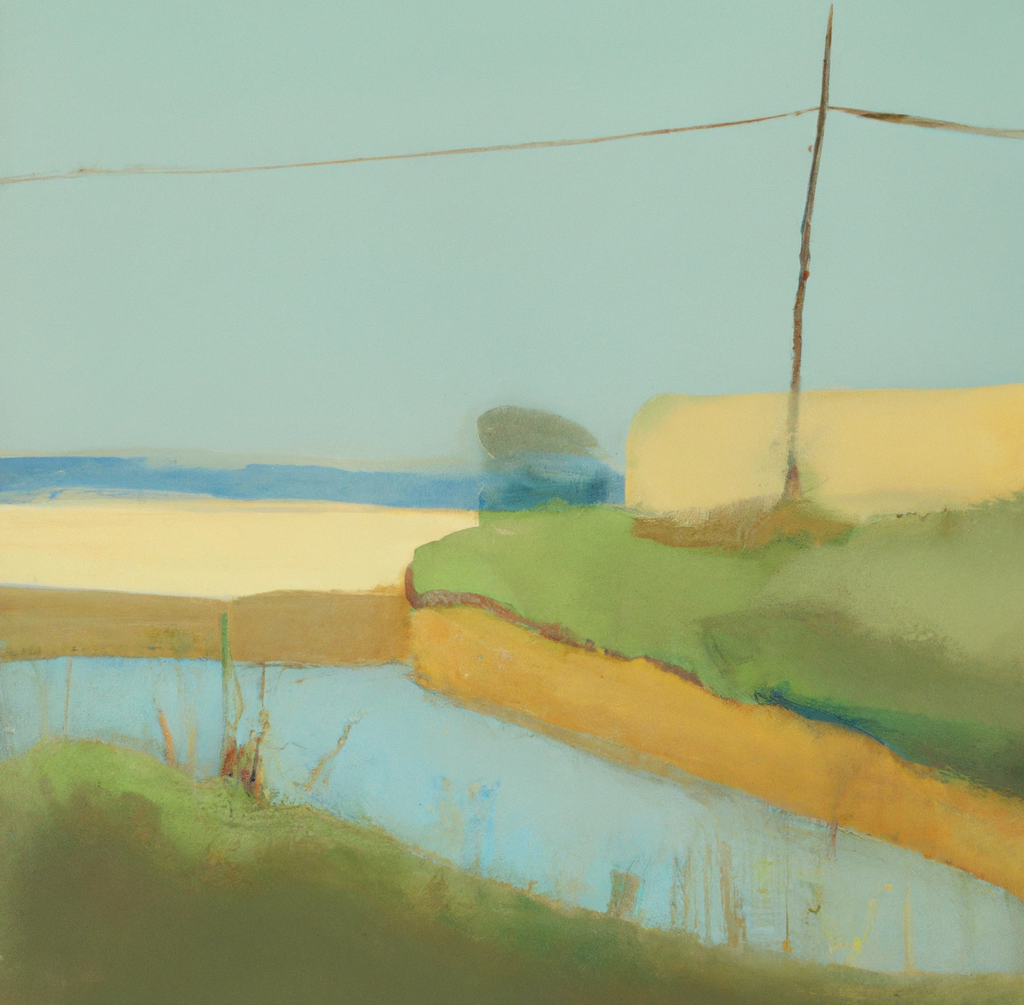
In a world that often values perfection above all else, there’s a Japanese philosophy called wabi-sabi that sees things differently. It’s all about finding beauty in imperfection, impermanence, and incompleteness. Let’s take a closer look at what wabi-sabi is and how it can add richness to our lives.
Wabi-sabi comes from two Japanese words: “wabi,” which means simplicity and solitude, and “sabi,” which refers to the beauty of things that have aged. Together, they form a philosophy that celebrates the beauty of imperfection.
Instead of seeing flaws as something to hide or fix, wabi-sabi encourages us to embrace them. Whether it’s a handmade ceramic bowl with uneven edges or a weathered wooden table, imperfection adds character and tells a story.
Wabi-sabi teaches us to accept that nothing lasts forever. Just like how flowers bloom and fade, everything in life is temporary. By embracing this impermanence, we can find beauty in the fleeting moments and appreciate the journey.
Wabi-sabi appreciates simplicity and modesty. Natural materials like wood and stone, simple designs, and a connection to nature are all part of this aesthetic. It’s about finding beauty in the simple things around us.
Incorporating wabi-sabi into our lives can bring a sense of calm and appreciation. Whether it’s through decluttering our living spaces, enjoying a quiet moment in nature, or savoring the imperfect beauty of handmade crafts, there are many ways to embrace wabi-sabi in our daily lives.
Wabi-sabi offers us a refreshing perspective on beauty and life. By embracing imperfection, impermanence, and simplicity, we can find richness in the ordinary and learn to appreciate the beauty of the imperfect. In a world that often seeks perfection, wabi-sabi reminds us that true beauty lies in embracing life as it is.
 Tarek D - Soccer, Life, Art