

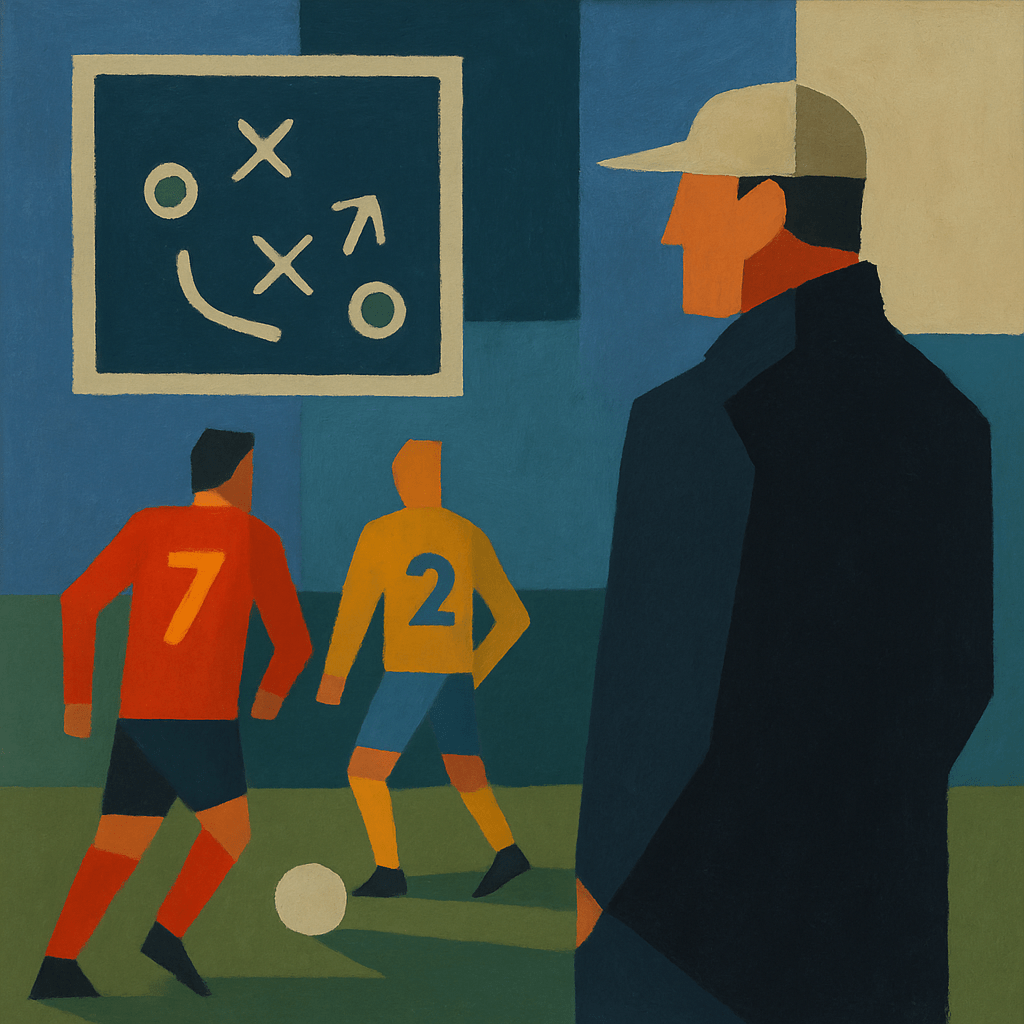
In soccer, there’s often a gap between how we want to play and how we need to play. We all love watching beautiful passes, creative dribbles, and stylish goals. But when you’re out there on the sideline coaching or on the field playing, it’s not always that simple. That’s where pragmatism comes in.
Being pragmatic in soccer just means being smart. It means adjusting to what’s happening in front of you. Maybe the field is rough, your players are tired, or the other team is just pressing like crazy. Instead of forcing a plan that isn’t working, a pragmatic coach or player adapts. You find another way.
Some people hear “pragmatic” and think it means defensive or boring. I don’t see it that way. For me, it’s about playing with purpose. Knowing when to keep it simple. When to take fewer touches. When to protect a lead instead of pushing for more. When to build up slowly and when to go direct. It’s being thoughtful and intentional with every decision.
I’ve had plenty of moments coaching where I had a whole game plan in mind. Maybe I wanted the team to keep the ball, switch play, and create chances through the middle. But the game starts, and the field’s a mess, the other team is fast and physical, and my players are a little nervous. That’s when I have to adjust. Maybe we go more direct. Maybe we drop off a bit. It’s not about abandoning our identity. It’s about giving the kids a chance to be successful in that moment.
Pragmatism is also about knowing your players. I might have a group that’s not technical enough to play out of the back under pressure. So we find a different way. I’m not going to force something just because it looks good on paper. Coaching isn’t about proving how clever you are. It’s about helping your team perform.
It’s important to say this: being pragmatic doesn’t mean we stop teaching. We still work on the technical side. We still challenge our players to be brave and creative. But we also teach them to read the game, to understand what’s needed right now. That kind of decision-making is what separates good players from great ones.
In the end, pragmatism isn’t the opposite of creativity. It’s what allows creativity to shine when it matters. Look at the best players in the world. They’re not doing tricks just to show off. They make the smart play and the beautiful play because they know when and where to do it.
So let’s keep encouraging our players to dream big. Let them express themselves. But also teach them to think. Teach them to solve problems. That’s the heart of the game, and that’s the value of being pragmatic.
 Tarek D - Soccer, Life, Art